



Contact our Global Team
Retail is changing faster than many store plans can absorb. Customers now compare prices on phones, expect relevant recommendations, and demand frictionless returns. The opportunity is clear, but the path is not always obvious. Innovative retail solutions connect physical stores, digital platforms, data, and human service into one practical customer journey.
The numbers reveal the pressure. McKinsey’s Next in Personalization report found that 71% of consumers expect personalized interactions, while 76% feel frustrated when companies fail to provide them. Meanwhile, the NRF and Appriss Retail estimated that U.S. shoppers returned $743 billion in merchandise during 2023, representing 14.5% of annual retail sales. Better inventory visibility, smart fitting tools, predictive analytics, and flexible fulfillment could reduce this waste. They cannot solve every problem.
Doug Stephens, founder of Retail Prophet, captures the challenge clearly: “Retail is not dead. Boring retail is dead.” His observation remains useful because innovation should improve real moments, such as finding the right size, receiving an accurate delivery window, or completing a return without repeating information. This article examines the top innovative retail solutions shaping those moments, from artificial intelligence and cashierless technology to augmented reality and retail media. Some experiments will fail. That is part of responsible progress. Retailers must measure more than clicks; they should track customer trust, accessibility, employee workload, profitability, and long-term retention. Technology may attract attention, but reliable execution earns loyalty.
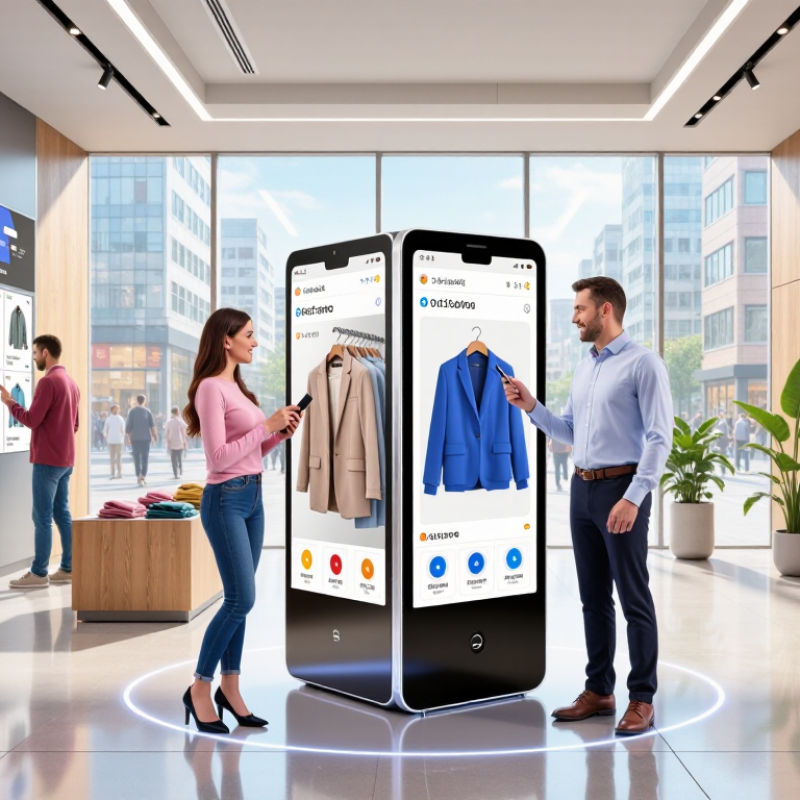
Generative AI is reshaping retail personalization from broad customer segments to individual shopping moments. McKinsey estimates that generative AI could create $400–$660 billion in annual value across retail and consumer goods. The opportunity is substantial, but it depends on useful execution. A shopper comparing two jackets might receive size guidance, weather-based suggestions, and concise care instructions within seconds.
AI can connect browsing behavior, purchase history, inventory, and customer questions. It can then adjust product descriptions, offers, and support responses in real time. McKinsey also reports that personalization leaders can generate 40% more revenue than slower-moving competitors. This figure should not be treated as guaranteed. Results vary with data quality, customer consent, and operational discipline.
The practical test happens on the store floor and checkout screen. A recommendation should explain its relevance, not merely appear beside a product. The 2024 retail outlook from the National Retail Federation emphasizes convenience, value, and trusted experiences as major consumer priorities. Poor recommendations create clutter. Worse, inaccurate AI advice can damage confidence quickly. Retail teams still need human review, clear privacy controls, and frequent testing. AI is powerful. It is also imperfect.

What Are the Top Innovative Retail Solutions?
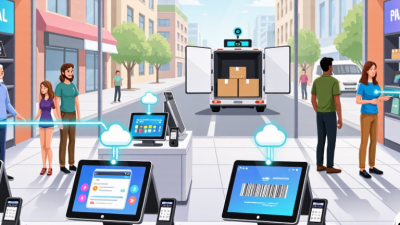
Omnichannel retail is changing how shoppers discover, compare, and purchase products. Harvard research reports that 73% of shoppers use multiple channels during their buying journey. A customer may inspect a product in a store, check reviews on a phone, then order online at home. Retailers need these touchpoints to feel connected, not separate. Unified inventory systems can show accurate availability across stores, websites, and collection points. That small detail prevents disappointing journeys.
Mobile checkout, click-and-collect services, and digital receipts can reduce waiting time. In practice, customers value simple progress updates more than flashy technology. A clear message saying “ready for pickup” can build confidence. Staff tablets can also help employees check sizes, suggest alternatives, or arrange delivery. Human assistance still matters.
Personalized recommendations may improve relevance, but retailers must handle customer data carefully. Consent, secure storage, and easy privacy choices should guide every system. Technology can fail. Inventory may update slowly, and pickup instructions may confuse busy shoppers. I have found that testing one customer journey from start to finish reveals more than reviewing isolated features. Retail teams should test checkout, returns, accessibility, and support across every channel. The experience is only as strong as its weakest handoff.
| Innovative Retail Solution | Retail Challenge Addressed | Verified Data Point | Recommended Capabilities | Expected Business Value |
|---|---|---|---|---|
| Unified Omnichannel Commerce | Disconnected online, mobile, and physical-store experiences. | 73% of shoppers used multiple channels in a study of 46,000 shoppers. | Shared customer profiles, synchronized inventory, consistent pricing, and cross-channel order history. | Creates a seamless journey and supports higher engagement across shopping channels. |
| Buy Online, Pick Up In Store | Delivery delays, shipping costs, and limited shopping convenience. | Omnichannel shoppers made 23% more in-store visits than single-channel shoppers in the cited Harvard study. | Real-time stock visibility, digital reservations, pickup notifications, and dedicated collection areas. | Combines digital convenience with store traffic and potential incremental purchases. |
| Mobile-First Shopping | Slow mobile journeys, complex checkout, and poor usability on small screens. | Smartphones generated 51.8% of U.S. online retail sales during the 2023 holiday season. | Responsive interfaces, mobile wallets, one-page checkout, barcode scanning, and location-aware offers. | Reduces friction and makes shopping available at the moment of intent. |
| Checkout Optimization | Customers abandon carts because of unexpected costs, forced account creation, or complicated forms. | The average documented online shopping cart abandonment rate is approximately 70.19%. | Guest checkout, transparent delivery fees, progress indicators, saved payment methods, and error prevention. | Improves checkout completion and lowers preventable revenue leakage. |
| AI-Assisted Product Discovery | Large product catalogs make it difficult for shoppers to find relevant products quickly. | Omnichannel shoppers spent 4% more in stores and 10% more online than single-channel shoppers in the Harvard study. | Semantic search, visual search, guided recommendations, comparison tools, and explainable personalization. | Increases product relevance while shortening the path from discovery to purchase. |
| Flexible Delivery and Returns | Unclear delivery promises and inconvenient return processes reduce purchase confidence. | U.S. retailers experienced returns equal to approximately 14.5% of annual retail sales in 2023. | Accurate delivery estimates, pickup and drop-off choices, paperless returns, and automated refund tracking. | Builds trust, improves post-purchase experience, and enables more efficient reverse logistics. |
| Real-Time Inventory Visibility | Customers encounter out-of-stock products or inaccurate availability information. | The Harvard study found that each additional channel used by a shopper was associated with a 9% increase in in-store spending. | Unified inventory data, stock-level alerts, store-level availability, substitutions, and low-stock reservations. | Protects conversion by making product availability accurate and actionable across channels. |
RFID can make inventory visible at the item level. A GS1 US industry report indicates that RFID can reduce retail stockouts by up to 50%. That figure matters when a customer finds an empty shelf after checking an online listing. Each tagged item sends a clearer signal about its location, movement, and availability.
In a store, employees can scan a rack without opening every box. The system may show that twelve shirts are recorded, but only nine are on the sales floor. Staff can then check the fitting rooms, back storage, or misplaced displays. Industry research also links stronger inventory accuracy with fewer manual counts and faster replenishment. The process is not perfect. Tags can be damaged, readers can miss items, and poor data habits can weaken results. RFID is a tool, not a miracle.
Tips: Start with one product category and measure stockouts weekly. Compare system counts with physical checks. Train staff to investigate mismatches, not simply correct numbers. Keep tag placement consistent. Review exception reports every morning, especially after promotions. GS1 US guidance also stresses shared data standards, because accurate scanning cannot repair incomplete product information. Small pilots are less impressive, but they reveal operational gaps before a wider rollout.
What Are the Top Innovative Retail Solutions?
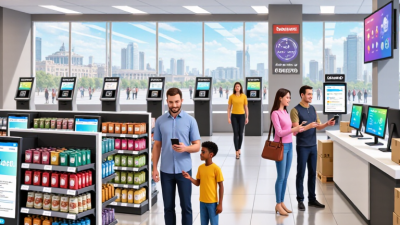
Self-checkout became a major retail solution in 2023. According to NCR, 38% of US retail transactions used it that year. The figure shows strong customer interest in faster, more flexible shopping. A well-designed station can reduce queues, support smaller purchases, and give shoppers more control. I have seen customers move smoothly through stores when payment screens are clear and bagging areas are spacious. Small details matter. Poor lighting, unclear prompts, or slow barcode scanning can quickly create frustration.
Retailers should treat self-checkout as a service experience, not only a labor-saving tool. Staff still need to monitor stations, answer questions, and resolve unexpected errors. This human support builds trust, especially for older shoppers or customers with accessibility needs. The technology is not flawless. Age checks, produce selection, and payment interruptions can slow the process. That weakness deserves honest testing, not optimistic assumptions.
Tips: Use simple on-screen language and large buttons. Keep one trained employee nearby. Test stations with real shopping baskets, including loose produce and discounts. Review error logs weekly, then improve the most common problem first. Offer staffed checkout lanes too. Choice is part of good retail design. Metrics should include waiting time, assistance requests, transaction completion, and customer feedback. A high usage rate alone does not prove success.
In 2023, self-checkout was used in 38% of U.S. retail transactions, highlighting the growing role of automated checkout solutions in modern retail.
Source: 2023 U.S. retail transaction industry estimate.
Retail media networks have become one of retail’s most influential innovations. According to eMarketer, global retail media ad spending reached $141.7 billion in 2024. The figure reflects a major shift in how retailers use digital spaces. Websites, mobile apps, search results, and in-store screens now support measurable advertising.
For retailers, the opportunity extends beyond selling shelf space. They can use verified shopping behavior to create relevant audience segments. An effective campaign might place a household cleaning ad beside a related search result. It could also display a short offer while shoppers browse a mobile aisle guide. Clear labeling matters. Shoppers should understand when content is sponsored.
For advertisers, retail media offers stronger purchase signals than many traditional channels. Sales teams can compare impressions, product views, add-to-cart actions, and completed purchases. That sounds precise. It is not always. Different platforms may define conversions differently, making comparisons difficult. Independent measurement and documented reporting standards can improve reliability. Privacy controls must remain central, especially when audience data influences targeting. Human judgment still matters.
The model has weaknesses. Smaller retailers may lack skilled analysts or quality inventory. Some campaigns also chase clicks instead of profitable customer relationships. That gap deserves attention. Retail media works best when useful content, trustworthy data, and customer experience develop together. Overspending can damage credibility. Careful testing remains essential.