Why Smart Retail Solutions Matter for Global Buyers?
Global buyers are no longer comparing products alone. They are evaluating how intelligently a store operates. A shopper may scan a shelf label in Singapore, request support through a mobile app in Germany, and expect delivery updates before leaving the store. These moments reveal why smart retail solutions matter for global buyers. They connect inventory, customer service, payments, analytics, and fulfillment across physical and digital channels.
Retail futurist Doug Stephens offers a useful warning: “Retail is not dead. Bad retail is dead.” His statement remains practical for international purchasing teams. A modern platform can reduce stockouts, improve demand visibility, and personalize offers without making every customer feel watched. It can also help managers compare store performance, identify slow-moving products, and respond to changing local preferences. The strongest systems support clear consent, secure data handling, accessibility, and reliable human oversight. Technology should assist judgment, not replace it.
Yet smart retail solutions are not automatically smart. A dashboard may look impressive while its data remains incomplete. An automated recommendation can miss cultural context. A rollout can fail when staff receive little training. Global buyers therefore need evidence: documented integrations, measurable service improvements, transparent security controls, and references from comparable markets. Small pilots often expose inconvenient truths. That is useful. Careful testing creates more trustworthy decisions and limits expensive surprises. This article examines the capabilities, risks, and buying criteria that shape effective smart retail solutions for international retail environments.
What Smart Retail Solutions Are
What Smart Retail Solutions Are
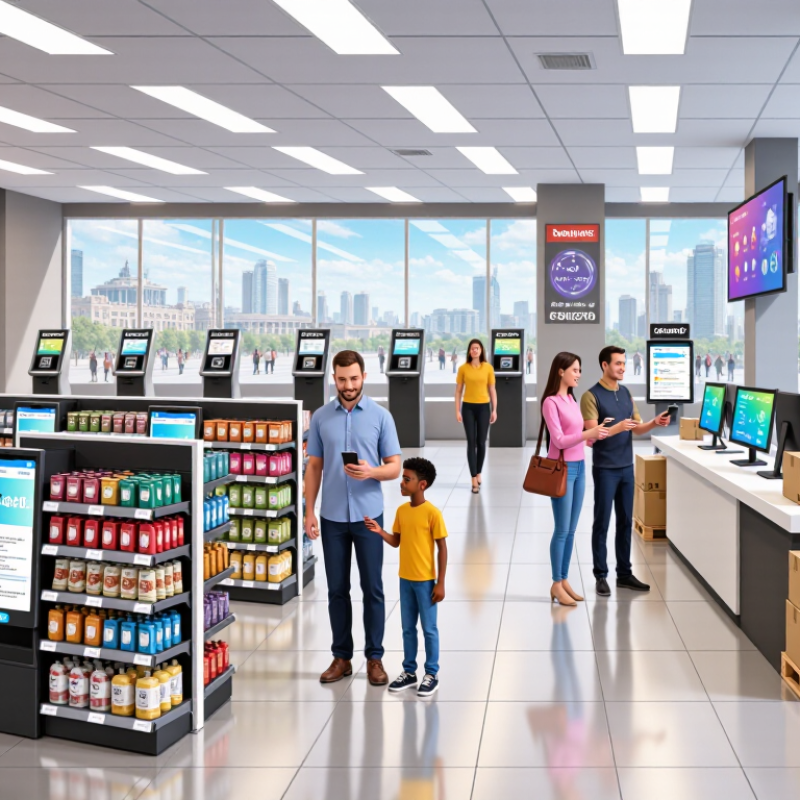
Smart retail solutions connect physical stores, digital channels, inventory systems, and customer data. They help retailers make faster decisions with clearer information. A practical system might combine electronic shelf labels, inventory sensors, demand forecasting, and unified checkout data. The goal is not technology for its own sake. It is fewer empty shelves, shorter queues, and more accurate replenishment.
McKinsey reported that 71% of consumers expect personalized interactions, while 76% feel frustrated when businesses fail to provide them. This finding explains why connected data matters to global buyers. A shopper checking stock online should receive the same information in a store. In reality, data gaps still create confusing promises. That weakness deserves attention.
Smart retail also means measurable control. The Global Mobile Suppliers Association reported billions of active mobile connections worldwide, making mobile access central to modern shopping. Retail teams can use dashboards to monitor sales, stock movement, energy use, and delivery performance. However, implementation requires staff training, secure data practices, and local compliance. A sensor may detect an item, but it cannot explain poor merchandising. Human judgment remains necessary. Buyers should test integration, reporting accuracy, maintenance costs, and scalability before expanding across markets. Small pilots often reveal problems that polished demonstrations hide.
How Smart Retail Solutions Work
Smart retail solutions connect store devices, inventory data, and customer signals through one operating system. A shelf sensor detects low stock and sends the information to the inventory platform. The system then checks warehouse quantities and recent sales patterns. Staff can receive an alert before customers find an empty shelf.
The process depends on several connected layers. Cameras may measure product movement, while checkout systems record purchases and returns. Software combines these inputs and displays practical information on a dashboard. Managers can compare sales by hour, aisle, or location. They may then adjust replenishment schedules, staffing levels, or product placement. In a busy store, this can reduce manual counting and delayed decisions.
Data quality matters greatly. A misplaced product can create a false shortage. Poor network coverage can also delay updates. From practical retail testing, simple alerts often work better than crowded dashboards. Staff need clear instructions, not endless notifications. Privacy controls, access permissions, and secure data storage should be checked regularly. Human review remains necessary, especially when unusual buying patterns appear. The system can recommend an action, but it cannot fully understand every local customer habit. Retail teams should test one section first and measure accuracy before expanding. Small mistakes are useful, if teams record them and improve the process.
Why Global Buyers Need Smart Retail Solutions
Global buyers need smart retail solutions because retail decisions now cross borders, time zones, and customer expectations. A buyer may manage stores in five markets while tracking different currencies, tax rules, and delivery patterns. Manual spreadsheets often hide these differences. Smart systems connect sales, inventory, purchasing, and customer data in one working view.
The practical value appears on the shop floor. A store manager can see which sizes are selling before shelves look empty. A purchasing team can compare regional demand before placing another order. Automated alerts can flag slow-moving goods, unusual returns, or sudden stock gaps. These tools support faster decisions, but they are not magic. Poor data still creates poor recommendations.
Global buyers should examine security, data accuracy, language support, and system integration before selecting a solution. Local staff need clear training, not complicated dashboards. A small pilot can reveal problems with barcode formats, warehouse timing, or regional reporting. It may also expose an uncomfortable truth: some teams are not ready to trust automated decisions. That concern deserves testing, discussion, and human review. Reliable retail technology should improve judgment, not quietly replace it.
Key Benefits Across International Markets
Smart retail solutions matter because international buyers need consistency across currencies, languages, and shopping channels. The 2024 Global E-commerce Report by the United Nations Conference on Trade and Development estimates that business e-commerce sales across major economies exceed 27 trillion US dollars. That scale makes manual inventory checks risky. A connected system can show available stock, tax details, delivery times, and payment options in one place. Buyers see fewer surprises at checkout. Operations teams gain clearer evidence for purchasing decisions.
The benefits also vary by market. In Europe, privacy controls and transparent consent deserve close attention. In Asia-Pacific, mobile purchasing and fast fulfillment often shape conversion. In developing markets, lightweight pages and local payment access can matter more than advanced visual design. The 2024 World Retail Banking Report found that digital payment behavior continues to expand across regions, but adoption remains uneven. That unevenness is important. A single global template can fail quietly. Smart systems should support local rules, currencies, warehouse limits, and customer habits while keeping core data synchronized. According to the 2024 DHL E-Commerce Trends Report, cross-border shoppers increasingly value delivery clarity and return convenience. Practical details win trust. Yet automation is not always accurate. Product translations may sound unnatural, forecasts can miss seasonal events, and local staff still need to review exceptions.