



Contact our Global Team
In recent years, AI retail solutions have revolutionized the retail landscape. According to a report by McKinsey, companies that adopt AI can increase their operating margins by 60%. Retailers leverage advanced analytics and machine learning to understand consumer behavior better. This leads to personalized shopping experiences and improved inventory management.
However, implementing these solutions is not without challenges. Many retailers struggle with integration and data quality issues. A study from PwC indicates that 63% of businesses encounter significant obstacles while adopting AI technologies. It raises questions about the readiness of the retail sector for such innovations.
Despite these hurdles, the potential benefits of AI retail solutions remain compelling. Enhanced customer insights can drive sales growth. Moreover, efficiency in supply chain operations can reduce costs significantly. As the retail industry evolves, the ongoing integration of AI tools will likely reshape traditional frameworks.
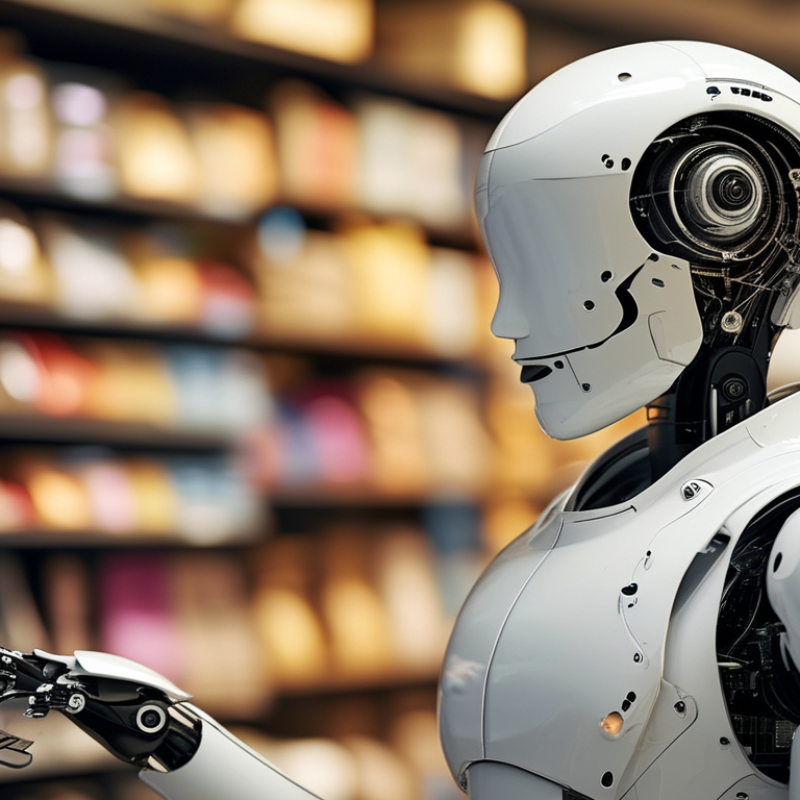
AI retail solutions are transforming the retail landscape. These technologies utilize artificial intelligence to enhance customer experiences, optimize supply chains, and drive sales. According to a recent report by McKinsey, retailers that effectively implement AI can increase their operating margins by up to 60%. This significant improvement illustrates the potential of AI in retail.
The scope of AI retail solutions ranges from personalized marketing to inventory management. For example, retailers can use AI algorithms to analyze customer data and predict buying behaviors. This helps in curating targeted promotions and recommendations. However, relying solely on AI may lead to missed insights from human judgment. Balancing technology with human touch is essential in retail strategies.
Additionally, AI can streamline operations. Retailers can automate restocking or monitor inventory levels in real time. Research from Harvard Business Review indicates that 79% of executives believe AI will significantly impact their operations in the next five years. Despite the benefits, not all retailers are prepared for this technological shift. It raises questions about infrastructure and workforce adaptation. Thoughtful implementation is crucial for success.
| Dimension | Description | Potential Benefits |
|---|---|---|
| Inventory Management | AI can predict inventory needs based on sales trends. | Reduces overstock and stockouts, optimizing storage costs. |
| Personalized Shopping Experience | AI analyzes customer behavior to provide tailored recommendations. | Increases customer satisfaction and loyalty. |
| Pricing Strategy | AI tools help set competitive prices based on market analysis. | Boosts sales and enhances profit margins. |
| Customer Service Automation | Chatbots powered by AI provide 24/7 customer support. | Improves response times and reduces operational costs. |
| Sales Forecasting | AI analyzes historical data to predict future sales trends. | Facilitates better business planning and resource allocation. |
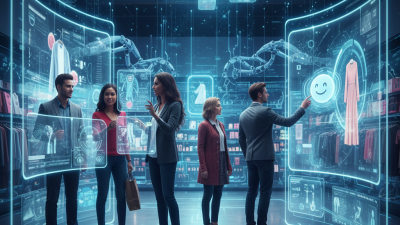
AI retail solutions are transforming the shopping experience. They offer various features that optimize operations and enhance customer engagement. One key feature is predictive analytics. This tool analyzes customer data to forecast trends. Retailers can tailor their inventory accordingly. This minimizes overstock and ensures popular items are always available.
Another important feature is personalized recommendations. AI algorithms analyze shopping behavior to suggest products. This approach can significantly increase sales. It also improves customer satisfaction. Shoppers appreciate receiving tailored recommendations. It feels more relevant and engaging.
Lastly, AI chatbots provide real-time customer support. They can answer queries instantly, improving service efficiency. However, relying solely on automated systems may lead to frustration when faced with complex issues. Balancing automation and human support is crucial. Retailers should reflect on their strategies to ensure they meet customer expectations effectively.
This bar chart illustrates the sales growth percentage across four quarters as a result of implementing AI retail solutions. The data shows a significant upward trend, highlighting the positive impact of AI on retail performance.
AI retail solutions serve as powerful tools for enhancing efficiency and customer satisfaction in retail businesses. These technologies streamline operations. They also offer insights for better inventory management and customer engagement. Retailers can better understand buying behaviors and improve their services accordingly.
Tips: Utilize AI analytics to track customer preferences. Gathering this data helps tailor marketing strategies. Implement chatbots for efficient customer service. They provide instant responses, boosting customer satisfaction.
AI solutions enable personalized shopping experiences. Tailored recommendations increase sales by appealing to individual preferences. However, businesses must remember that technology alone cannot replace the human touch. Effective staff training remains vital in integrating AI smoothly. Balancing technology with personal interaction is key for success.
AI retail solutions are transforming the landscape of shopping. In 2023, approximately 79% of retailers have integrated AI tools into their operations. This shift is not just a trend; it’s a necessity for staying competitive. For instance, predictive analytics helps retailers forecast demand more accurately. This leads to better inventory management, reducing waste by up to 30%.
In addition, chatbots are increasingly common in customer service. They handle simple inquiries and enhance user experience. Reports suggest that 70% of consumers prefer chatbots for quick questions. This allows human staff to focus on more complex issues. However, relying solely on automated systems can backfire. Some customers still prefer human interaction, indicating a delicate balance is required.
Personalization is another powerful application of AI. Retailers use algorithms to analyze shopping patterns. According to a survey, 63% of consumers desire personalized promotions. However, the challenge lies in privacy concerns. Striking a balance between personalized experiences and customer privacy remains a critical issue. Retailers must navigate this intricate landscape carefully, ensuring they respect customer trust while leveraging AI advancements.
As AI retail solutions continue to evolve, their impact on the retail landscape becomes increasingly significant. According to a recent report by McKinsey, retailers utilizing AI technologies can boost their operating profits by up to 60%. This trend reflects a growing focus on personalized shopping experiences. Customers appreciate recommendations tailored to their preferences, leading to increased sales and loyalty. AI-driven analytics help retailers understand consumer behavior more deeply, fine-tuning inventory and pricing strategies.
Moreover, automation is set to transform backend operations, enhancing efficiency. A Deloitte study found that AI can reduce supply chain costs by 20% through improved demand forecasting. However, the reliance on AI brings challenges regarding data security and ethical considerations. Retailers must navigate these complexities while ensuring robust consumer protection measures.
Tip: Invest in employee training on AI tools. Enabling staff to understand AI capabilities can bridge the gap between technology and customer service.
Future trends suggest elevated adoption of chatbots for customer interaction. These tools provide instant support, enhancing user experience. Nevertheless, balancing AI usage with human interaction remains vital. Over-reliance on automation can lead to disconnects in customer relationships, requiring a thoughtful approach.
Tip: Regularly assess the effectiveness of AI solutions. This evaluation can differentiate between strategic innovation and unnecessary expenditure.