


Come visit us at NRF2023 Jacob K. Javits Convention Center | New York City

Read More

10 Essential Tips for Finding the Best Retail Industry Solutions

In the ever-evolving retail landscape, finding the right solutions is crucial for success. Retail industry solutions are not just tools; they are game-changers. Effective solutions enhance customer experience, streamline operations, and increase profitability. With myriad options available, identifying the best fit can feel daunting.

Navigating this complex market requires careful consideration. Potential pitfalls exist, such as choosing solutions that do not align with business objectives. A thorough understanding of your unique needs is essential. Engage with industry experts who have firsthand experience. Their insights can illuminate the path toward informed decisions.

Ultimately, the right retail industry solutions empower businesses. They foster growth and adaptability in a fast-paced environment. By focusing on specific needs and seeking professional guidance, retailers can establish a sustainable competitive edge. Embracing change in a thoughtful manner is not just beneficial; it is necessary for long-term success.

10 Essential Tips for Finding the Best Retail Industry Solutions

Understanding the Unique Challenges in the Retail Industry

In the retail industry, challenges are ever-evolving. A recent report from the National Retail Federation highlights that 86% of retailers face disruptions in their supply chains. This unpredictability demands robust solutions that adapt quickly. Many retailers struggle to keep shelves stocked while managing costs. A balance between inventory management and customer satisfaction is crucial.

Consumer behavior is another significant challenge. According to a McKinsey study, 75% of shoppers changed their shopping habits during the pandemic. Retailers must understand these shifts. Personalization is essential. Insights from data analytics can help tailor marketing strategies to meet customer preferences. Yet, many businesses lack the necessary tools to analyze data effectively.

Technology plays a vital role in addressing these challenges. Retailers need integrated solutions that streamline operations. However, around 70% of technology initiatives fail, often due to poor change management. Training staff and ensuring they embrace new systems is critical. Engaging employees can lead to better implementation of these solutions, ultimately enhancing customer experiences.


Identifying Key Features of Effective Retail Solutions

When evaluating retail solutions, effective features can make or break your success. A user-friendly interface is essential. This ensures your team can navigate the software easily. Complex systems often lead to confusion and errors. In contrast, a straightforward design enhances productivity.

Another vital feature is real-time analytics. Retail businesses thrive on accurate data. Solutions that provide instant insights can drive informed decisions. They allow for quick adjustments in inventory and sales strategies. Consider how data visualization can simplify this process. It helps to see trends clearly.

Lastly, integration capabilities cannot be overlooked. Your retail solutions should seamlessly connect with existing systems. This might include payment platforms, inventory management, and customer relationship tools. Disjointed systems can hinder workflows and cause frustration. Reflection on these aspects is crucial when choosing a solution. Always ask how each feature contributes to your goals.

10 Essential Tips for Finding the Best Retail Industry Solutions

This chart illustrates the importance ratings of essential features to consider when selecting retail industry solutions. A higher rating indicates greater importance.

Evaluating Vendor Reputation and Customer Reviews

When searching for retail industry solutions, vendor reputation is crucial. A vendor's history can provide insights into their reliability. Look for reviews that detail past customer experiences. Positive feedback is important, but also pay attention to negative reviews. These can reveal weaknesses in service or product performance. Often, a single bad review can highlight critical issues that many may overlook. Real-life experiences often paint a clearer picture of what to expect.

Customer reviews should not be taken at face value. Analyze the context of feedback. For instance, check if the issues raised are recurring or isolated incidents. Additionally, review the responses from vendors. How do they handle complaints? A prompt and professional response indicates a commitment to customer service. Peer recommendations in forums or social media can also offer unfiltered perspectives. While every vendor may have a few detractors, patterns in feedback can guide your decision.

Don't forget to validate their claims of success. Are there case studies or testimonials available? Authentic case studies provide deeper insights. They show how solutions work in real-world scenarios. Gathering this information can take time, but it is worth the effort. Proper research not only helps in selecting a vendor but also ensures that your business invests in a reliable solution.

10 Essential Tips for Finding the Best Retail Industry Solutions

Criteria Importance Level Vendor Rating Customer Review Summary
Vendor Experience High 4.5/5 Highly recommended for expertise.
Customer Support Critical 4.0/5 Quick response, helpful team.
Solution Flexibility High 4.2/5 Adaptable to various business needs.
Integration Capabilities Medium 3.8/5 Some challenges with existing systems.
Pricing Transparency High 4.6/5 Clear and detailed pricing models.
Feature Set High 4.7/5 Comprehensive features for retail.
Scalability High 4.3/5 Easily scales with business growth.
Security Features Critical 4.8/5 Robust security measures in place.
User Experience High 4.4/5 Intuitive and user-friendly interface.
Post-sale Services Medium 4.1/5 Generally supportive after sales.

Exploring Integration Capabilities and Scalability Options

When searching for retail industry solutions, integration capabilities are crucial. They determine how well new systems work with existing ones. Poor integration leads to data silos. This can slow down operations and reduce efficiency. Before committing to any solution, ask about APIs and compatibility. These features enable smooth data flow and realtime updates.

Scalability options are equally vital. A good solution should grow with your business. Many companies overlook future needs during selection. This can create bottlenecks as demand increases. Solutions that allow for easy upgrades help avoid this issue. Regular assessments of capacity are essential too. They ensure that the systems remain aligned with business goals over time.

Finding the right balance between integration and scalability is challenging. Many solutions boast high integration but fall short on scalability. Others may offer strong growth potential, yet lack proper compatibility. A solution that fits today might not serve well tomorrow. Analyze your long-term goals carefully. This thoughtful approach can prevent costly oversights later. Always seek solutions that adapt to your evolving needs.

Conducting Cost-Benefit Analysis for Retail Solutions

10 Essential Tips for Finding the Best Retail Industry Solutions

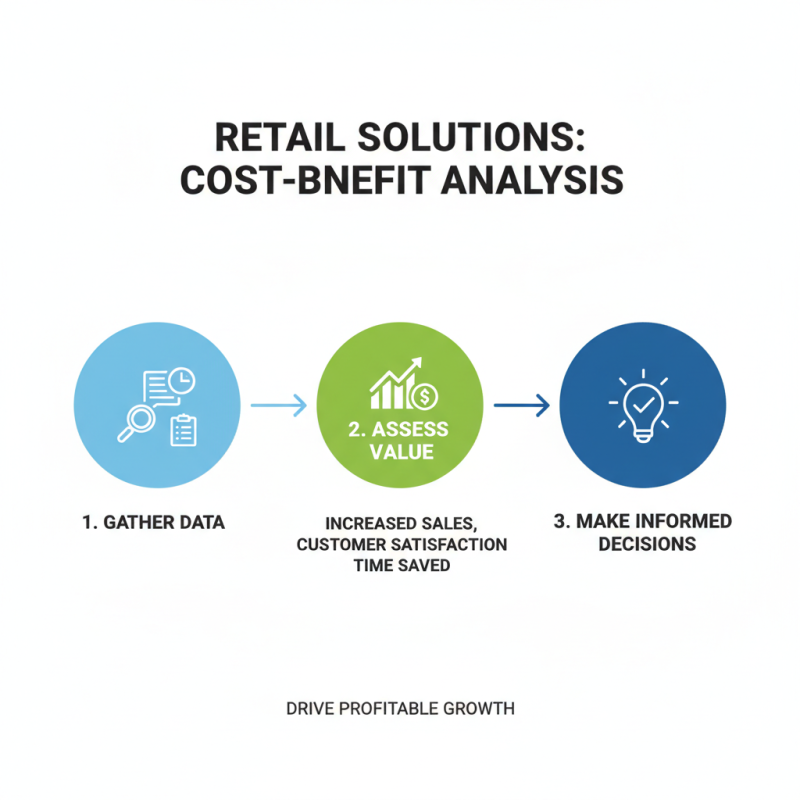
Conducting a cost-benefit analysis for retail solutions is crucial. This process helps identify which solutions provide real value. Start by gathering data on potential solutions. Look for metrics like increased sales, improved customer satisfaction, and time saved. Good data ensures accurate cost assessment.

Next, compare the costs and benefits. List all potential expenses, including implementation and maintenance costs. Weigh these against expected returns. It’s important to be realistic here. Think about potential challenges. Some solutions may seem beneficial but could require heavy training or long implementation times.

Incorporate feedback from team members. Their perspectives can highlight overlooked costs or benefits. Consider conducting small pilot tests before a full rollout. This allows for real-world insights and adjustments. Not every solution will work perfectly. Embrace the chance to learn and adapt as you move forward. This analysis is about finding the right balance for your needs.