



Need Help?
Contact our Global Team
Contact our Global Team
In an increasingly competitive marketplace, businesses are continuously exploring ways to enhance their operational efficiency and improve customer experiences. Retail IT solutions have emerged as a critical component in this pursuit, offering innovative technologies that streamline processes, optimize inventory management, and provide deeper insights into consumer behavior. By leveraging these solutions, retailers not only modernize their operations but also create personalized shopping experiences that resonate with their customers.
The transformative impact of retail IT solutions extends far beyond mere operational improvements. They enable businesses to harness data analytics to understand customer preferences better, allowing for targeted marketing strategies and improved customer engagement. Furthermore, the integration of advanced technologies such as artificial intelligence and machine learning empowers retailers to anticipate trends, reduce costs, and continuously adapt to an ever-changing consumer landscape. As we delve into the top retail IT solutions available today, it becomes clear that these tools are essential for any business aiming to thrive in the digital age.
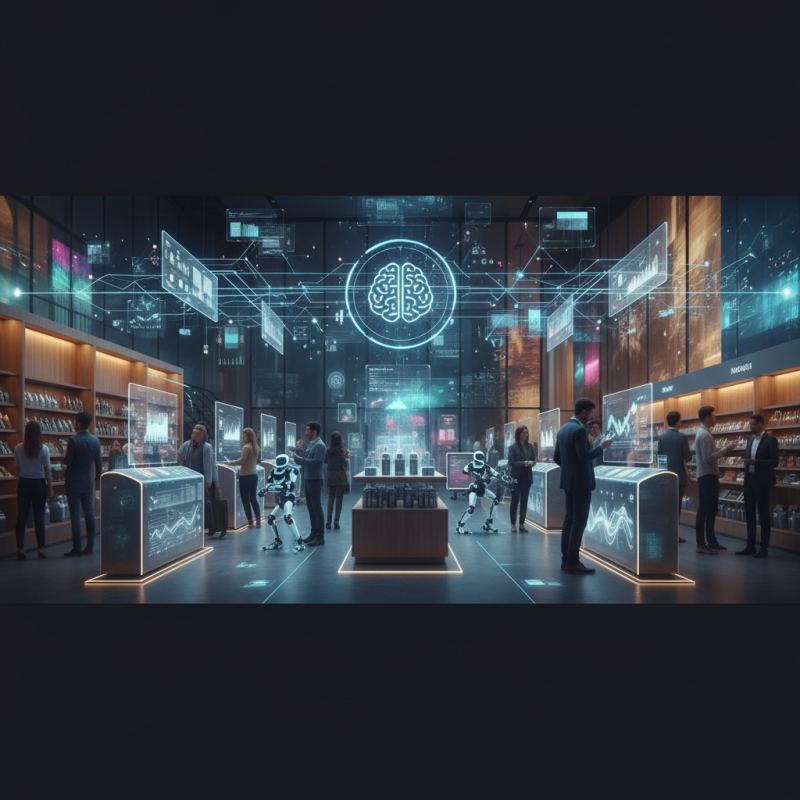
In the rapidly evolving retail landscape, the adoption of advanced IT solutions is crucial for driving business efficiency and enhancing customer experiences. Research from industry analysts indicates that retail companies leveraging technology are likely to see an improvement of up to 30% in operational efficiency. This notion underscores the importance of IT solutions that streamline processes, reduce overhead costs, and provide actionable insights through data analytics.
Furthermore, effective retail IT solutions facilitate personalized customer interactions, a key determinant in today’s competitive market. According to a report from Deloitte, 60% of consumers are more likely to become repeat buyers if a retailer personalizes their shopping experience. Solutions such as customer relationship management (CRM) systems and data-driven marketing tools enable retailers to track consumer behavior and preferences, tailoring their offerings accordingly. As retail continues to shift towards omnichannel strategies, the integration of IT solutions becomes increasingly vital in creating seamless and engaging shopping experiences that not only meet but exceed customer expectations.
| Solution Type | Description | Benefits | Key Features |
|---|---|---|---|
| Point of Sale (POS) System | An integrated system for transaction processing. | Improved transaction speed, accurate inventory management. | Sales reporting, payment processing, customer management. |
| Inventory Management Software | Software for tracking inventory levels, orders, and deliveries. | Reduces stockouts and overstock situations, enhances inventory accuracy. | Real-time tracking, automated reordering, analytics reporting. |
| Customer Relationship Management (CRM) | Tools to manage interactions with customers and prospects. | Better customer service, increased sales, and customer retention. | Contact management, sales forecasting, marketing automation. |
| E-commerce Platform | Platform for online buying and selling of products. | Wider customer reach, increased sales opportunities. | Product catalog, payment gateways, shipping integrations. |
| Analytics and Reporting Tools | Tools for analyzing sales data and customer behavior. | Data-driven decision making, identifying trends and patterns. | Custom reports, KPI tracking, data visualization. |
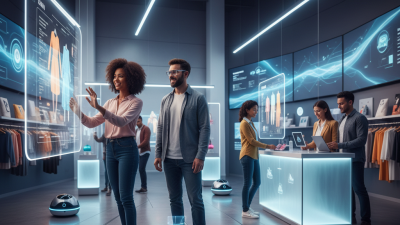
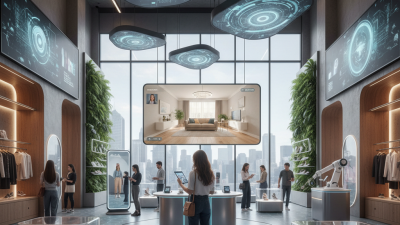


 Another innovative tool is the use of augmented reality (AR) in retail settings. AR provides customers with immersive shopping experiences, allowing them to visualize products in their own space before making a purchase. This not only boosts customer confidence but also decreases return rates, positively impacting overall business efficiency. Transitioning to these technological solutions not only enhances the customer journey but also empowers retailers to streamline operations and create a more efficient business model.