





Need Help?
Contact our Global Team
Contact our Global Team
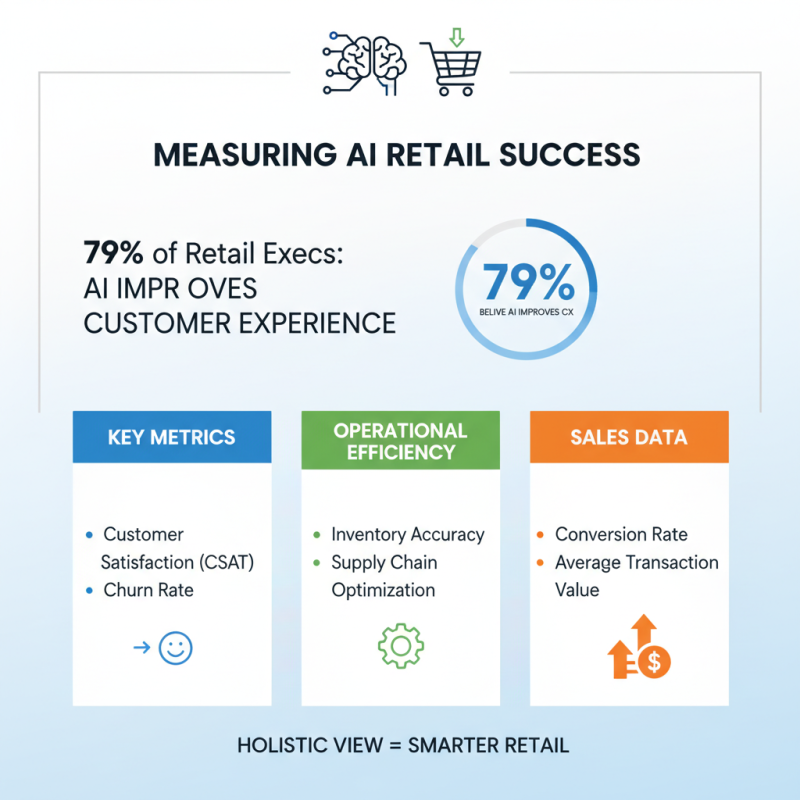
In the rapidly evolving landscape of retail, the adoption of AI retail solutions is crucial. According to Emily Chen, a leading expert in the field, "The successful implementation of AI in retail hinges on understanding customer needs." Retailers are challenged to integrate technology in meaningful ways. Simply having AI is not the end goal. It requires a strategic approach.
Many businesses dive into AI without thorough planning. This can lead to misalignment with customer expectations. For example, an AI-driven inventory system may fail if it doesn’t consider seasonal trends. Retailers must analyze their operations beforehand. Staying ahead means embracing both innovation and reflection.
To harness the full potential of AI retail solutions, companies need to prioritize training their teams. An underprepared workforce can result in poor execution of these advanced tools. It’s essential for leaders to foster a culture of adaptability. Continuous learning will enable retailers to respond to shifts in consumer behavior effectively. Here lies the opportunity to truly revolutionize the shopping experience.
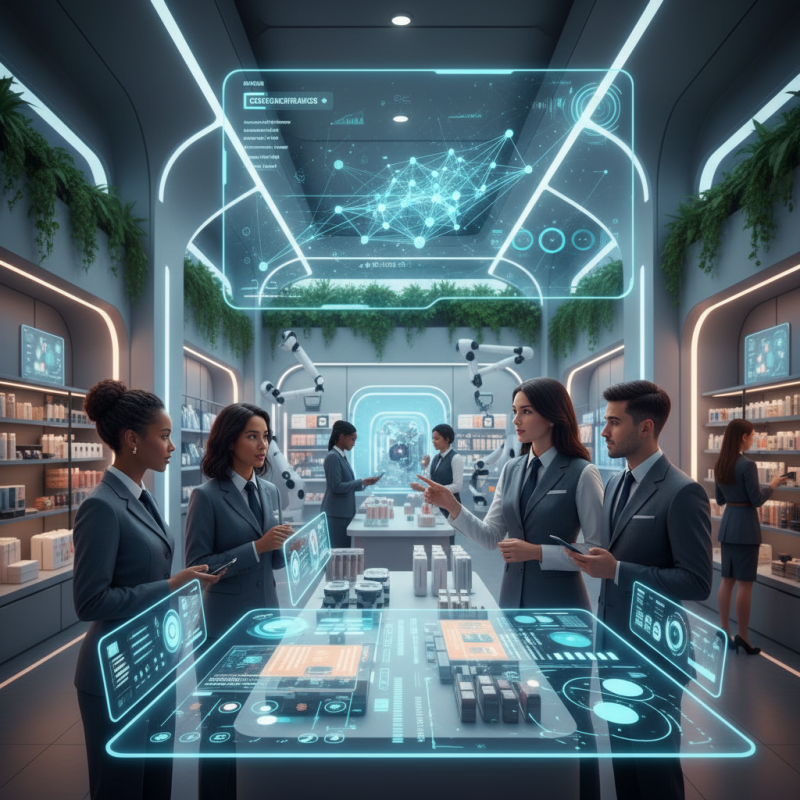
AI retail solutions have the potential to transform how businesses operate. Understanding key concepts is crucial for successful implementation. Reports indicate that AI can increase operational efficiency by up to 30%. This technology helps analyze customer data and optimize inventory management, ensuring that businesses meet demand swiftly.
Effective implementation requires more than just technology. Employees need training to adapt to AI tools. Lack of training can lead to resistance and underutilization of AI capabilities. It's vital to foster a culture of innovation. Encourage team members to share their insights about using AI. Engaging staff can drive better adoption.
Invest in a solid data strategy. Poor data quality can hinder AI performance. Regular audits of data systems help maintain accuracy. Also, set clear objectives. AI should address specific business challenges. Without clear goals, the implementation may falter. Tailor solutions to your retail environment. Not every AI solution fits every business model.
| Tip | Description | Benefits | Implementation Considerations |
|---|---|---|---|
| 1. Define Clear Objectives | Establish specific goals for AI integration, such as improving customer experience or operational efficiency. | Aligns AI projects with business strategy and measures success more effectively. | Engage stakeholders to ensure objectives align with organizational priorities. |
| 2. Invest in Quality Data | Ensure access to high-quality, relevant data for AI training and implementation. | Improves AI accuracy and effectiveness, leading to better decision-making. | Establish data governance practices to maintain data integrity. |
| 3. Choose the Right Technology | Select AI tools and platforms that fit your specific retail needs and infrastructure. | Ensures compatibility and enhances overall efficiency. | Evaluate multiple options and consider scalability and support. |
| 4. Foster a Culture of Innovation | Encourage employee involvement and creativity in leveraging AI solutions. | Leads to innovative problem-solving and greater adoption of AI solutions. | Provide training and resources to empower employees. |
| 5. Start Small and Scale | Begin with pilot projects to test AI applications before full-scale deployment. | Allows for iterative improvements and risk management. | Select low-risk areas for initial implementation. |
| 6. Monitor Performance Continuously | Regularly assess AI performance against set objectives. | Ensures ongoing optimization and adaption to changing business needs. | Establish KPIs to measure AI effectiveness. |
| 7. Ensure Compliance and Ethics | Adhere to legal and ethical standards in AI implementation. | Builds trust with customers and minimizes legal risks. | Stay updated on regulations affecting AI in retail. |
| 8. Integrate AI with Existing Systems | Ensure AI solutions work seamlessly with current technology infrastructure. | Maximizes the effectiveness of AI and reduces implementation disruption. | Conduct a thorough assessment of current systems before integration. |
| 9. Train Users and Stakeholders | Provide comprehensive training to all users and collaborators. | Enhances user confidence and promotes effective use of AI solutions. | Create ongoing training programs and resources. |
| 10. Communicate Value to Customers | Effectively convey how AI solutions benefit customers directly. | Improves customer satisfaction and loyalty. | Utilize multiple channels to reach different customer segments. |