



Contact our Global Team
In today's fast-paced business world, capturing high-quality visuals is essential. A Drone Gimbal Camera can elevate your marketing efforts significantly. This technology stabilizes the camera, providing smooth and professional footage. Businesses across various industries are embracing this innovation.
Using a Drone Gimbal Camera allows for unique perspectives that traditional filming cannot achieve. Real estate agents showcase properties from stunning heights. Event organizers capture immersive experiences. The versatility of these cameras caters to diverse business needs. However, mastering this technology does require some learning.
Investing in a Drone Gimbal Camera may seem daunting. There are various models and price points to consider. It is essential to choose a camera that meets your specific business requirements. Evaluate your goals and budget carefully. Doing so will ensure you make a wise investment that leads to increased engagement and visibility.
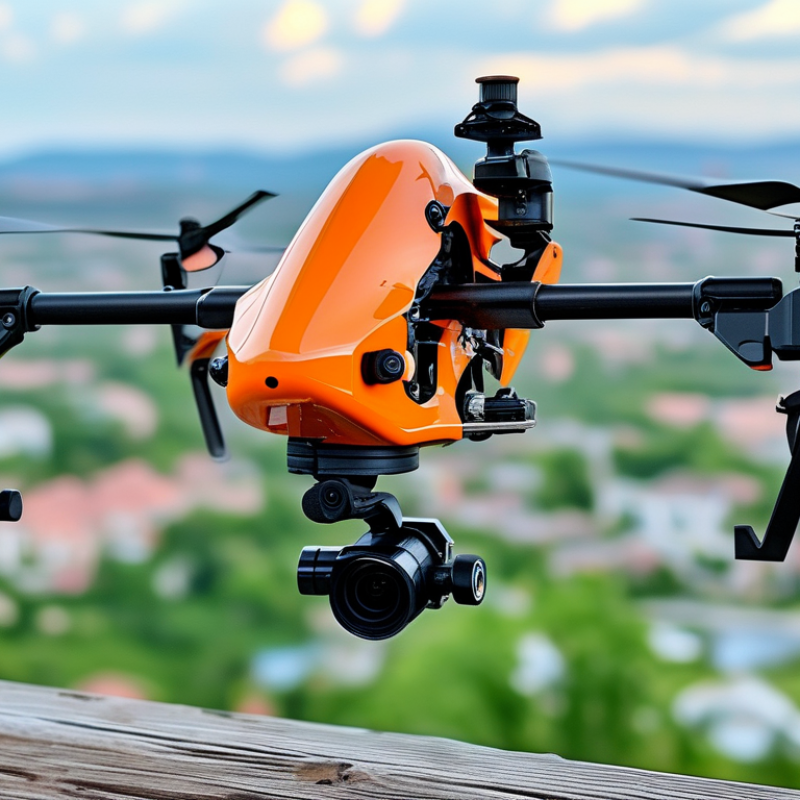
Drones equipped with gimbal cameras have transformed many business operations. Their steady and clear footage enhances marketing strategies and boosts brand image. A gimbal stabilizes the camera, ensuring professional-quality images. This is crucial for businesses looking to capture attention through visual content.
Using a drone gimbal camera also increases efficiency. Businesses can cover vast areas in a fraction of the time. For instance, surveying large construction sites becomes quicker and safer. This not only saves time but also reduces labor costs. Furthermore, businesses gain real-time insights, allowing for improved decision-making.
However, it's essential to plan for potential challenges. Training staff to operate these drones can require significant resources. Also, staying compliant with local regulations is vital. If missed, businesses could face fines or other legal issues. Balancing technology with proper training remains a vital reflection point.
When considering a drone gimbal camera for your business, understanding key features is essential. A high stabilization system is crucial. It minimizes shake, offering smoother footage, even in windy conditions. According to a 2022 industry report, businesses that utilize stabilized drone footage see a 30% increase in viewer engagement. This increased engagement can translate to higher sales rates.
Look for a camera with 4K video capability. High-definition visuals are becoming the standard. Nearly 70% of consumers prefer watching high-quality video content. Additionally, consider battery life. A longer battery means more flight time, allowing for comprehensive footage collection in one go. A 2021 survey indicated that businesses are losing potential content due to short battery durations.
Tips: Always check compatibility with your existing fleet. Some gimbals may not fit all drones. Think about weight as well. Heavier setups may require stronger batteries, impacting overall cost. Also, spending time on learning the technology can improve your operations. Balancing tech with creativity can yield impressive results. Not every feature is necessary for every business, so reflect on what aligns with your goals.
| Feature | Description | Importance |
|---|---|---|
| Stabilization Technology | Ensures smooth video capture by minimizing camera shake. | Critical for professional video quality. |
| Camera Resolution | Refers to the clarity of the images and videos produced. | Higher resolution provides better image quality for marketing and inspections. |
| Battery Life | Duration the drone can operate before needing a recharge. | Longer battery life allows for extended shooting sessions. |
| Weight and Portability | How easy it is to transport the drone. | Important for businesses that require travel to various locations. |
| Control Range | The maximum distance from which the drone can be controlled. | Affects operational flexibility and applications in large areas. |
| GPS Precision | Accuracy of positioning and navigation systems. | Critical for tasks requiring exact location tracking. |
In today’s fast-paced business environment, many industries are harnessing the power of drone gimbal technology. Real estate, for instance, benefits immensely from aerial photography. High-quality images showcase properties from stunning angles, attracting more potential buyers. This visual appeal is crucial in a competitive market, where first impressions matter.
Agriculture is another sector experiencing a transformation. Farmers utilize drones equipped with gimbal cameras to monitor crop health. They can capture detailed images of fields, helping to identify issues early. However, relying solely on technology can lead to oversight. Farmers must still consider traditional methods for a holistic view of their operations.
In event management, drone gimbals provide unique perspectives. They can capture dynamic shots of large gatherings and outdoor festivals. However, managing drone operations requires skill and planning. Inexperienced users may struggle to capture stable footage. Continuous training and practice are essential for optimal performance in this field.
In today's competitive landscape, businesses are exploring innovative tools for capturing high-quality visuals. Drone gimbal cameras, with their advanced stabilization technology, stand out against traditional filming equipment. These aerial devices provide smooth footage, regardless of the conditions. Traditional cameras often struggle with shakiness during movement or windy conditions.
One significant advantage of gimbal cameras is versatility. They allow for dynamic shots from unique angles that traditional setups simply can't achieve. However, businesses must consider the learning curve involved. New users may face challenges in understanding flight dynamics and camera settings. Patience and practice are crucial in mastering this technology.
Tips: Always perform pre-flight checks. Ensure the battery is charged and the firmware is updated. Practice flying in open areas to build your skills. Additionally, consider using a checklist while filming. This can help minimize overlooked details. Embrace the learning process, and you'll see the benefits unfold.
Using a drone gimbal camera can significantly enhance your business operations. The investment may seem high initially. However, evaluating the cost versus return on investment (ROI) reveals its potential benefits. A well-integrated drone camera can improve marketing strategies, elevate content quality, and even reduce production costs over time.
Tips: Consider the specific needs of your business before purchasing. Assess how often you will use the drone and the environments it will operate in. Ensure that the gimbal camera you choose aligns with your objectives.
Another point to reflect on is long-term maintenance and training costs. Having an expert on your team can reduce errors and maximize output. While drone technology is evolving, budgets must accommodate ongoing training and equipment upgrades. Balancing cost and benefit is crucial for sustainable growth.
Tips: Start small with projects to gauge effectiveness. Test the gimbal in various scenarios before full-scale implementation. This approach allows you to refine your strategy based on real-world results.