


Contact our Global Team
In today's fast-paced business environment, maximizing productivity and efficiency is more crucial than ever. As companies strive to adapt to evolving market dynamics, the implementation of advanced solutions has become a strategic necessity. Renowned productivity expert Dr. Emma Taggart emphasizes this shift, stating, "Embracing advanced solutions is not just about technology; it's about transforming how we think and operate." Her insights highlight the importance of integrating innovative strategies that empower businesses to streamline their processes while enhancing overall performance.
As organizations seek to optimize their workflows, the role of advanced solutions becomes increasingly significant. These strategies encompass a range of methodologies, from automation tools to data analytics, all aimed at improving decision-making and operational efficiency. By harnessing such advanced solutions, businesses can reduce redundancies, minimize errors, and foster a culture of continuous improvement. Ultimately, this proactive approach not only leads to increased productivity but also positions companies to respond swiftly to new opportunities and challenges in the marketplace.
With the right tools and mindset, companies can navigate the complexities of modern business landscapes, unlocking their full potential through advanced solutions. The journey to enhanced productivity is not merely about adopting new technologies but rather about embracing a holistic transformation in how business objectives are achieved.

Identifying key productivity challenges within a business is crucial for enhancing overall efficiency. A significant hurdle many organizations face is poor communication. According to a report by the Economist Intelligence Unit, nearly 44% of executives believe that ineffective communication is a primary barrier to productivity. When team members do not share information effectively, it leads to misunderstandings, duplicated efforts, and wasted time. Addressing this challenge requires implementing robust communication tools and fostering a culture of openness where feedback can flow freely.
Another common challenge is inadequate time management. Studies conducted by the American Management Association reveal that employees spend an average of 28% of their workweek on unnecessary interruptions. This not only drains time but also diminishes focus, resulting in lower output. To counter this issue, businesses can benefit from training programs that emphasize prioritization techniques and the use of productivity methodologies such as the Pomodoro Technique or time blocking. By equipping employees with the skills to manage their schedules effectively, organizations can significantly enhance both individual and team productivity.

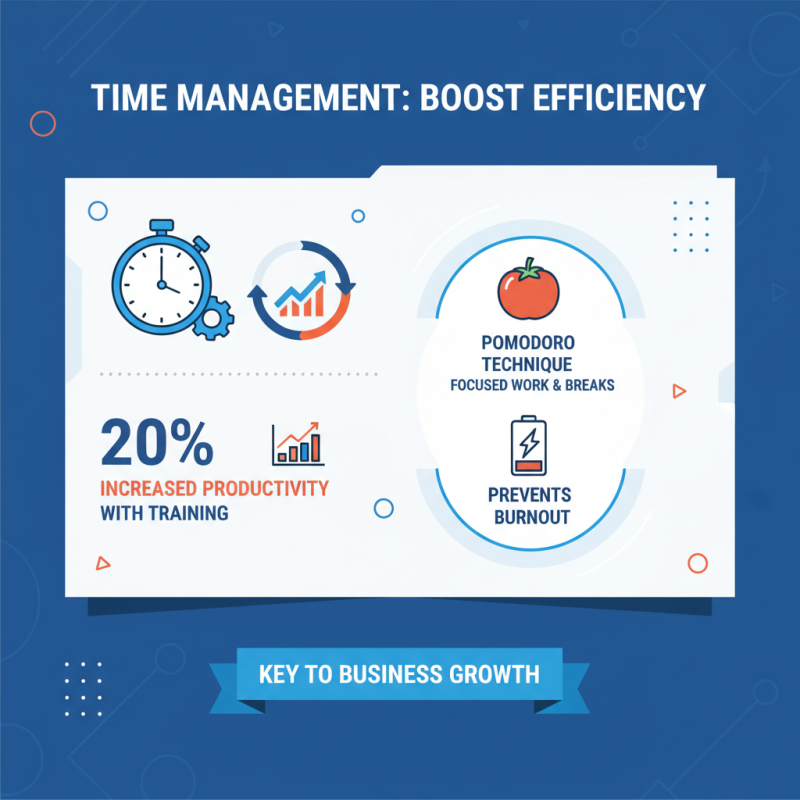
Time management is a critical component for enhancing efficiency within any business. According to a survey by the Project Management Institute, organizations that invest in time management training improve productivity by up to 20%. This statistic underscores the importance of implementing structured time-management strategies. Techniques such as the Pomodoro Technique, which involves working in focused bursts followed by short breaks, can help employees maintain engagement and prevent burnout, ultimately leading to higher output levels.
Additionally, utilizing tools for task prioritization can streamline workflow and ensure that team members are dedicating their time to high-impact activities. The Eisenhower Matrix, for instance, categorizes tasks by urgency and importance, aiding in decision-making about which tasks to address first. Research from the Harvard Business Review states that employees spend an average of 28% of their workweek managing emails, often detracting from more critical project work. By establishing clear guidelines on email management and communication protocols, businesses can significantly reduce wasted time and improve overall productivity. Implementing these time-management strategies not only fosters a more organized work environment but also enhances employee morale, as workers feel more accomplished and less overwhelmed.
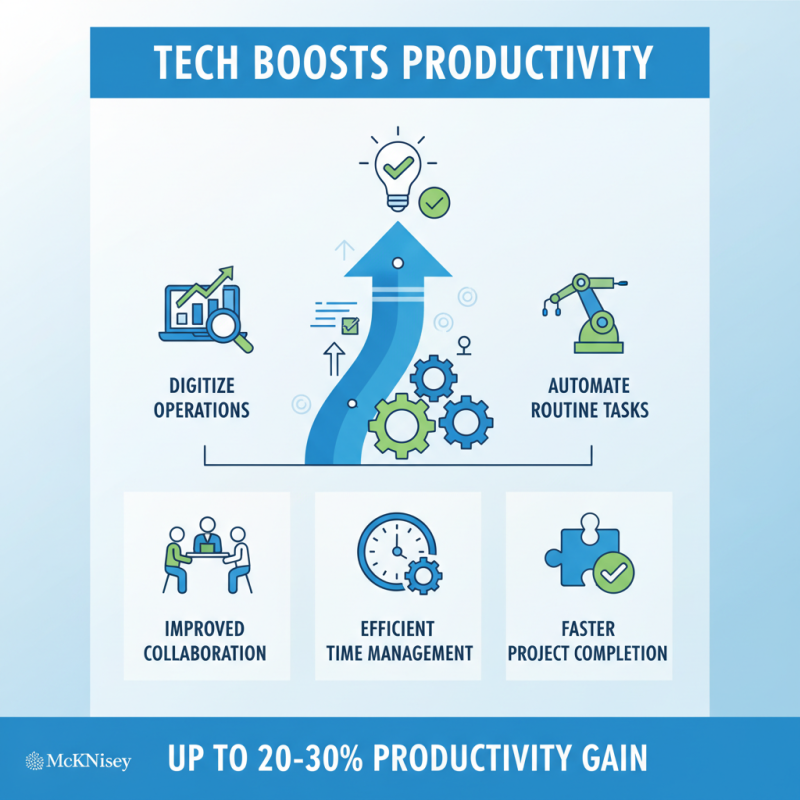
In today's fast-paced business environment, leveraging technology tools has become essential for enhancing productivity and streamlining operations. According to a report by McKinsey, companies that fully digitize their operations can increase productivity by up to 20-30%. This surge is attributed to technology's ability to automate routine tasks, enabling employees to focus on higher-value activities. For instance, implementing a comprehensive project management software can facilitate better collaboration, task tracking, and time management, ultimately leading to more efficient project completions.
Additionally, utilizing data analytics tools allows businesses to gain valuable insights into their operations. According to a study by Deloitte, organizations that leverage data analytics are 5 times more likely to make faster decisions than their competitors. By analyzing key performance indicators and operational data, businesses can identify bottlenecks, optimize resource allocation, and make informed strategic plans. Furthermore, integrating communication platforms into daily operations fosters real-time collaboration, reducing the time spent on meetings and increasing overall productivity. Embracing these technological advancements not only streamlines processes but also positions businesses to adapt to changing market demands effectively.
Creating a positive workplace culture is fundamental for enhancing morale and boosting productivity within an organization. When employees feel valued and supported, their engagement levels rise significantly, leading to increased output. Initiatives such as regular feedback sessions, team-building activities, and open communication channels foster trust and collaboration among team members. Encouraging a culture of recognition where achievements, both big and small, are celebrated can also greatly enhance employee satisfaction and motivation.
Moreover, a positive workplace culture can be reinforced by promoting work-life balance. Organizations should encourage flexible working hours or remote work options, allowing employees to tailor their schedules to better suit their personal lives. When employees feel they have the freedom to manage their work and personal obligations, they are more likely to approach their tasks with enthusiasm and dedication. Additionally, providing opportunities for professional development not only empowers employees but also contributes to a culture of continuous learning, which can lead to innovation and efficiency across the business.
| Tips | Description | Impact on Productivity | Implementation Cost |
|---|---|---|---|
| Flexible Work Hours | Allow employees to choose their working hours to improve work-life balance. | High | Low |
| Regular Training and Development | Invest in employee skills through workshops and online courses. | High | Medium |
| Employee Recognition Programs | Acknowledge and reward employee achievements to boost morale. | Medium | Low |
| Open Communication Channels | Encourage feedback and suggestions from employees to improve processes. | High | Low |
| Health and Wellness Programs | Implement initiatives to support physical and mental health of employees. | High | Medium |
Measuring and evaluating productivity improvements in real-time is essential for businesses seeking to enhance operational efficiency. According to a report by McKinsey, companies that utilize data-driven decision-making are 5-6% more productive than their competitors. Real-time analytics allows organizations to monitor key performance indicators (KPIs) consistently and make informed adjustments. This dynamic approach not only identifies areas needing improvement but also quantifies the impact of newly implemented strategies, providing a clear picture of productivity advancements.
Moreover, the ability to assess productivity improvements in real-time fosters a culture of accountability and continuous improvement. A survey conducted by Gallup revealed that organizations with engaged employees, who are aware of their productivity metrics and performance goals, can experience a 17% increase in productivity. By leveraging tools such as performance dashboards and instant feedback systems, businesses can keep their teams aligned and motivated, driving overall efficiency. These methods enable swift identification of bottlenecks and highlight successful practices, ensuring that your business remains agile and responsive in a constantly evolving marketplace.