



Contact our Global Team
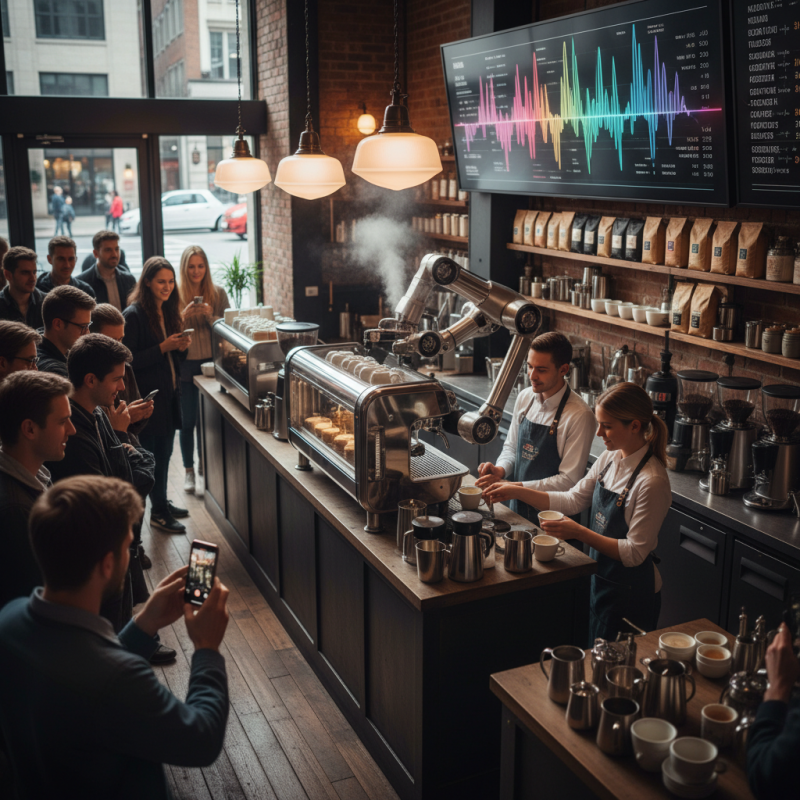
In today’s fast-paced coffee industry, the Coffee Robot Machine is becoming essential for businesses. With global coffee consumption hitting 166.63 million 60-kilogram bags in 2021, automating coffee preparation can boost efficiency. According to a 2022 report by Grand View Research, the coffee machine market is expected to grow at a CAGR of 5.8% from 2022 to 2030. The demand for speed and customization is driving this innovation.
Consider a busy café with long lines. A Coffee Robot Machine not only saves time but also maintains consistent quality. However, integration can be challenging. Baristas may need training to work alongside these machines effectively. Additionally, some coffee enthusiasts argue that automation can compromise the artisanal experience. Balancing efficiency with craftsmanship requires careful consideration.
Selecting the best Coffee Robot Machine involves assessing your specific business needs. Are you focused on volume or unique flavors? Each choice has its pros and cons. Businesses must reflect and adapt to these technological changes, ensuring they meet customer expectations without losing the essence of quality coffee.
Coffee machines play a vital role in business environments. They serve more than just a beverage; they foster a sense of community. Employees take breaks together, sharing ideas over a cup of coffee. This interaction boosts morale and productivity. The type of coffee machine can reflect a company’s culture and values.
Selecting the right coffee machine requires understanding your team's needs. Not all machines suit every workplace. Some offices may benefit from a simple drip coffee maker, while others might require advanced espresso machines. Consider factors like capacity, ease of use, and maintenance. Reliability is crucial; a malfunctioning machine can disrupt daily routines. Employees may find themselves dissatisfied and unproductive when coffee is hard to get.
Investing in a quality coffee machine can yield long-term benefits. However, it’s essential to evaluate usage consistently. A once-popular choice might lose its appeal. Regular feedback from employees helps identify their preferences. Rethinking your coffee strategy can lead to a more engaged workforce. Understanding these nuances is key to optimizing your work environment.
| Machine Type | Features | Capacity (Cups/Hour) | Maintenance Ease | Price Range |
|---|---|---|---|---|
| Automatic Espresso Machine | Touchscreen, milk frother, customizable settings | 100 | Low | $1000 - $3000 |
| Pour Over Coffee Maker | Precision pouring, brew timers, manual adjustments | 20 | Medium | $200 - $800 |
| Single Serve Machine | Pods compatible, quick brew, compact design | 30 | Very Low | $100 - $500 |
| Commercial Drip Coffee Maker | Multiple brew sizes, large water reservoir | 200 | Low | $300 - $1500 |
| French Press | Manual brewing, rich flavor extraction | 8 | Easy | $20 - $50 |
Choosing the right coffee robot machine for your business involves understanding its key features. A high-quality machine should offer versatility in brewing options. Consider models that can prepare various types of coffee, from espresso to frothy lattes. This flexibility ensures you meet diverse customer preferences.
Another important feature is ease of use. An intuitive interface allows staff to operate the machine without extensive training. Check for models that include clear manuals and automated cleaning features. This not only saves time but also maintains hygiene standards.
Tip: Look for machines that provide consistent beverage quality. This is vital for customer satisfaction. Test the machine in a real-world scenario to gauge performance.
Finally, durability cannot be overlooked. A reliable machine endures heavy use and minimizes downtime. Research materials and reviews to gauge long-term reliability. Be open to feedback from other businesses to avoid costly mistakes.
This chart illustrates the key features to consider while selecting a coffee robot machine for your business needs. Each feature is rated on a scale of 1 to 10 based on its importance. Espresso quality receives the highest rating, indicating it is critical for customer satisfaction.
When considering coffee robot machines, it’s essential to assess your business size. A small cafe may not require the same capabilities as a larger establishment. For smaller operations, compact machines that offer a variety of coffee options can maximize space while ensuring quality. These machines can brew espresso, cappuccino, and more, catering to diverse customer preferences without overwhelming staff.
Mid-sized businesses often need machines that efficiently handle higher volumes. Robust coffee robots with automated features allow baristas to focus on customer service rather than manual tasks. Features like self-cleaning and multiple beverage settings can enhance efficiency. However, these machines might lack the artisanal touch that some patrons seek, which can be a concern for quality-focused brands.
Larger enterprises typically invest in high-capacity coffee machines. These models may include advanced technology for speed and consistency. The downside is that they often come with a steep learning curve. Training staff can be challenging, especially when new features are introduced. Balancing automation and personalized service is crucial, as too much reliance on robots may alienate loyal customers who appreciate a human touch.
The investment in a coffee robot machine can be a game-changer for your business. According to recent industry reports, automated coffee machines can reduce labor costs by up to 30%. This significant saving becomes crucial as labor shortages continue. However, the initial cost of these machines can be daunting, ranging from $5,000 to $25,000, depending on features and capacity. Evaluating your business’s volume can provide a clearer picture of potential returns.
Moreover, studies indicate that customers are willing to pay more for high-quality coffee prepared with consistency. In fact, businesses that upgraded from traditional brewers to robotic systems observed a revenue bump of 15-20%. Yet, it’s essential to reflect on this investment: if your customer base doesn’t prioritize coffee quality, the return may not justify the cost. Regular maintenance and training are also necessary, adding to long-term expenses. Thus, while the prospect appears attractive, thorough analysis is essential for aligning with your specific business needs.
When investing in a coffee robot machine for your business, maintenance and support are crucial. A well-maintained machine ensures consistent quality. Neglecting maintenance can lead to breakdowns and customer dissatisfaction. Regular cleaning and timely servicing are vital for optimal performance.
Tips: Schedule routine maintenance checks at least once a month. Train your staff on basic cleaning procedures. Small actions, like daily rinsing of parts, can prevent bigger issues.
Support services should not be overlooked. Responsive customer support can save you time and money. Explore options like troubleshooting guides and online chat help. A reliable support team adds peace of mind.
Tips: Keep a log of any issues encountered. It can help technicians diagnose problems faster. Ensure you have access to spare parts to minimize downtime.