



Come visit us at NRF2023 Jacob K. Javits Convention Center | New York City

Read More

2025 Top Retail Solutions to Enhance Customer Experience and Drive Sales

As the retail landscape evolves, enhancing customer experience while driving sales has become paramount for businesses. According to a recent report by Retail Insights Group, 73% of consumers are more likely to make a purchase from a brand that offers personalized experiences. This statistic underscores the growing importance of implementing effective retail solutions that enable retailers to connect with customers on a more individual level. The advent of advanced technologies such as artificial intelligence, augmented reality, and data analytics has revolutionized traditional shopping experiences, paving the way for innovative methods to engage shoppers.

Retail solutions expert, Dr. Emily Carter, emphasizes this trend, stating, "The future of retail lies in understanding customer preferences and leveraging technology to create immersive shopping environments." With the projected growth of the global retail technology market expected to reach $500 billion by 2025, businesses must prioritize investment in cutting-edge retail solutions to remain competitive. By harnessing these technologies, retailers can not only enhance the shopping experience but also drive significant sales growth, establishing a powerful synergy between customer satisfaction and business success.
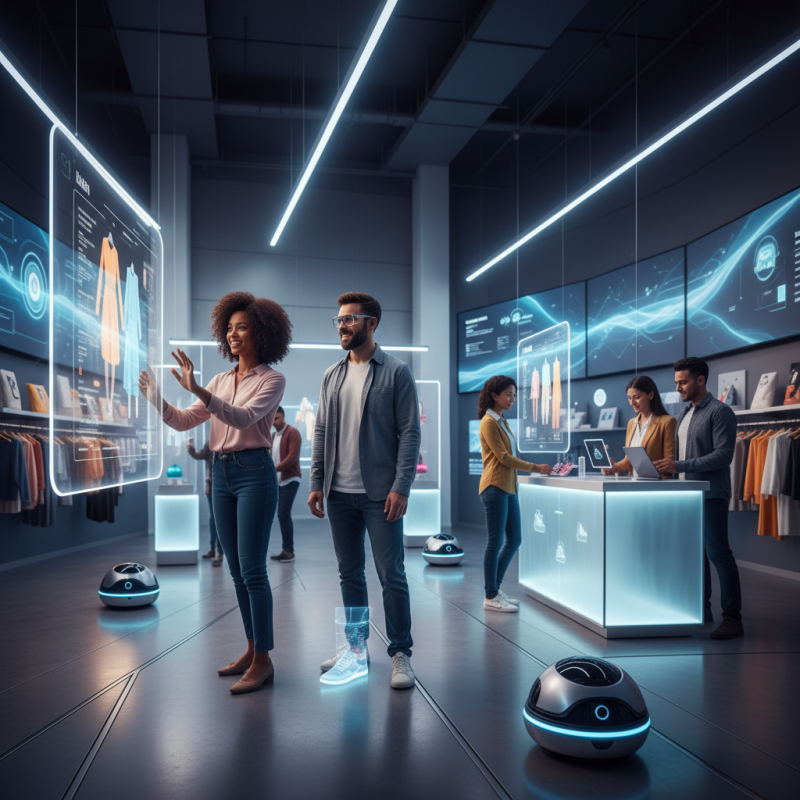
2025 Top Retail Solutions to Enhance Customer Experience and Drive Sales

2025 Retail Solutions: Embracing AI for Personalized Shopping Experiences

In 2025, the retail landscape is set to be transformed by the power of artificial intelligence, offering personalized shopping experiences like never before. Retailers are increasingly leveraging AI technologies to analyze customer data, preferences, and behaviors. This allows for tailored product recommendations, targeted promotions, and a more seamless shopping journey. The integration of chatbots and virtual assistants further enhances customer interactions, providing instant support and personalized guidance throughout the purchasing process.

Tips for Implementing AI in Retail:
- Start small by integrating AI solutions that address specific areas of customer experience, such as chatbots for customer service or recommendation engines for product suggestions.
- Invest in data analytics to understand your customers better; the richer the data, the more personalized the experience you can offer.
- Ensure that your AI tools are designed to enhance, rather than replace, the human touch. Balance technology with human interaction to maintain a personal connection with customers.

As retailers embrace AI-driven strategies, they are not just improving customer satisfaction but also driving sales. Personalization fosters customer loyalty, encouraging repeat business and emotional connections. By harnessing the potential of AI in retail, businesses can create a shopping environment that feels uniquely tailored to each customer's preferences, ultimately elevating the overall shopping experience.

2025 Top Retail Solutions to Enhance Customer Experience and Drive Sales

Solution Description Benefits Implementation Difficulty Estimated ROI (%)
AI-Powered Chatbots Automated customer support and shopping assistance. 24/7 assistance, increased customer engagement, reduced response time. Medium 30%
Personalized Recommendations AI algorithms that suggest products based on customer behavior. Improved customer experience, increased average order value. High 25%
Augmented Reality Shopping Virtual try-on solutions for clothing, makeup, and furniture. Enhanced customer experience, reduced return rates. High 40%
Mobile Wallet Integration Facilitating payments through mobile devices. Faster checkout process, improved payment security. Low 15%
Data Analytics for Customer Insights Leveraging customer data to make informed decisions. Enhanced marketing strategies, increased sales. Medium 35%

Leveraging Omnichannel Strategies to Optimize Customer Engagement

2025 Top Retail Solutions to Enhance Customer Experience and Drive Sales

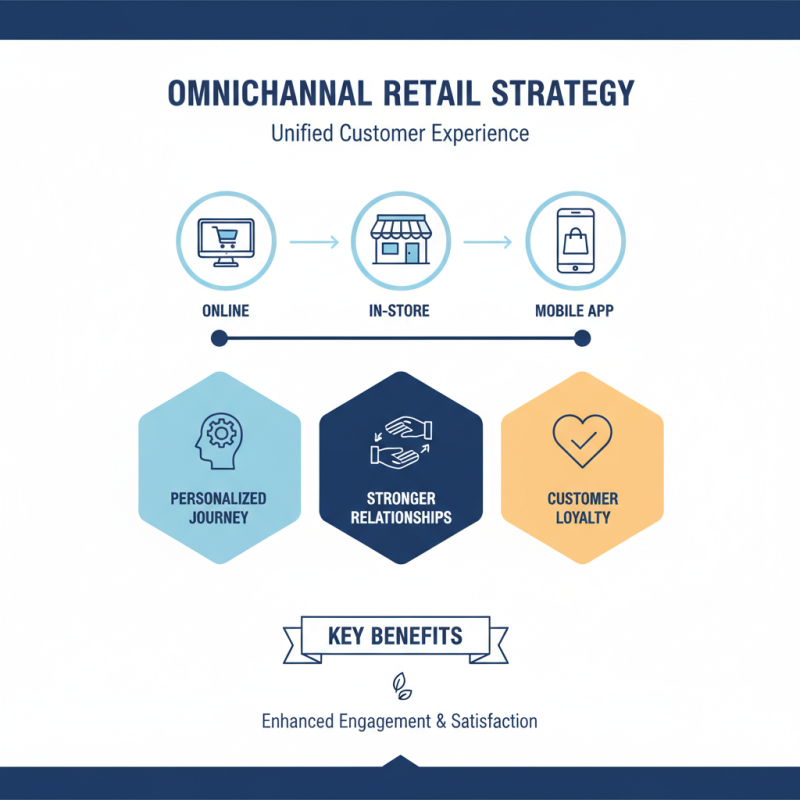
In today's rapidly evolving retail landscape, leveraging omnichannel strategies has become essential for enhancing customer engagement. By creating seamless interactions across various touchpoints—be it online, in-store, or through mobile apps—retailers can provide a unified experience that meets the diverse needs and preferences of their customers. This approach not only facilitates a more personalized shopping journey but also builds stronger relationships, fostering customer loyalty and satisfaction.

Furthermore, implementing omnichannel strategies allows retailers to gather and analyze data from multiple channels, providing valuable insights into customer behavior and preferences. By understanding these patterns, retailers can tailor their marketing efforts and product offerings, resulting in a more engaging and relevant shopping experience. Additionally, optimized customer engagement can lead to increased sales, as customers are more likely to make purchases when they feel understood and valued by the brand. Thus, an effective omnichannel strategy is indispensable for retailers looking to thrive in a competitive market while enhancing their customer's overall experience.

The Role of Data Analytics in Predicting Consumer Behavior Trends

In today's rapidly evolving retail landscape, the ability to understand and predict consumer behavior is crucial for enhancing customer experiences and driving sales. Data analytics plays a pivotal role in this process. By collecting and analyzing data from various sources, retailers can gain insights into purchasing patterns, preferences, and emerging trends. This allows businesses to tailor their offerings and marketing strategies to meet the specific needs and desires of their target audience.

Tips for implementing data analytics effectively include: Firstly, prioritize data quality by ensuring that collected information is accurate and relevant. Secondly, utilize predictive analytics tools that help forecast consumer trends based on historical data, enabling proactive adjustments to inventory and promotions. Lastly, invest in staff training to build a team proficient in interpreting data insights and making data-driven decisions.

Harnessing the power of data analytics not only empowers retailers to understand their customers better but also equips them with the knowledge to enhance their overall shopping experience. By embracing these technological solutions, businesses can stay ahead of the competition and foster lasting customer loyalty.

Enhancing In-Store Experiences with Augmented Reality Technologies

Augmented reality (AR) technologies are transforming the shopping experience by bridging the gap between digital and physical retail environments. Retailers can enhance in-store experiences by integrating AR applications that enable customers to visualize products in immersive ways. For instance, customers can use AR apps to see how furniture would look in their homes or how clothing would fit on them without needing to try anything on. This level of interaction not only captures customer interest but also encourages them to make informed purchasing decisions, ultimately driving sales.

Tips for implementing AR effectively include ensuring user-friendly interfaces and maintaining a seamless integration with your store’s existing systems. Training staff to assist customers with AR technology can also enhance engagement, empowering shoppers to fully utilize these innovative tools. Additionally, incorporating AR features that provide personalized recommendations based on customer preferences can create a more tailored shopping experience, ensuring that customers feel valued and connected to the brand.

Moreover, incorporating gamification elements within the AR experience can significantly elevate engagement. Encourage customers to participate in interactive challenges or scavenger hunts that reward them with discounts or exclusive offers. This not only drives foot traffic but also fosters a sense of community within your store, ultimately enhancing overall customer satisfaction and loyalty.

Integrating Loyalty Programs to Drive Customer Retention and Sales Growth

In today's competitive retail landscape, integrating loyalty programs has emerged as a pivotal strategy for enhancing customer retention and driving sales growth. These programs not only reward returning customers but also foster a sense of community and trust between the brand and its consumers. By offering tailored incentives, such as points on purchases, exclusive access to products, and personalized offers, retailers can create an engaging shopping experience that encourages repeat visits and builds brand loyalty.

Moreover, effectively implemented loyalty programs generate valuable insights into consumer behavior and preferences. Retailers can leverage this data to refine their marketing strategies, ensuring that promotional efforts align closely with the interests of their most dedicated customers. By personalizing communication and establishing targeted campaigns based on loyalty program analytics, retailers can enhance customer satisfaction and increase the likelihood of conversion across various touchpoints, ultimately driving overall sales performance.

The future of retail lies in harnessing the power of customer relationships, and loyalty programs play a crucial role in this transformation. As brands evolve to meet the demands of savvy shoppers, those that prioritize customer retention through innovative loyalty solutions will not only boost their revenue but also thrive in a rapidly changing market environment.

2025 Top Retail Solutions to Enhance Customer Experience